Audiologist: Why I Quit and What Testing 5 US Hearing Aids Revealed
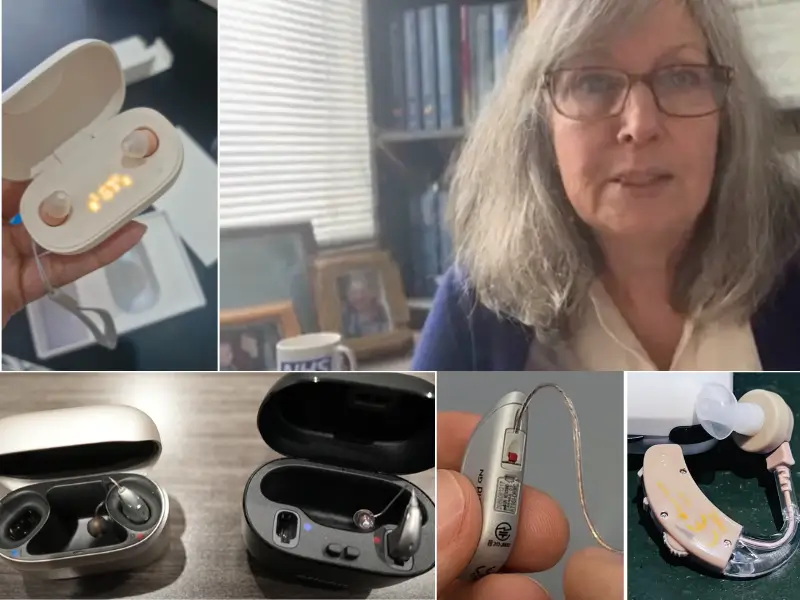
After 30 years fitting hearing aids in hospitals and private clinics, I discovered something that made me walk away from a comfortable position.
The same technology in $5,000 private clinic hearing aids cost manufacturers $100-150 to produce.
That's a 1,700% markup on devices that 7 in 10 US seniors desperately need.
But what disturbed me more was watching colleagues push premium packages on retirees who just needed basic amplification.
Johns Hopkins research confirmed my suspicions: only 11% of hearing aid costs go to actual technology.
Here's what really happens behind clinic doors — and why there's finally a better way.
Why the prices differ so much
A hearing aid price can mean very different things. On some routes it covers the device and little else. On others it also covers a hearing test, fitting, programming, follow-up visits and sometimes service or loss cover. Before you compare two prices, compare what each one includes:
- The device itself
- A hearing test and professional fitting (prescription routes)
- Adjustments and follow-up visits
- Warranty, repairs and loss or damage cover
- Batteries or charging, and replacement parts
- The return window, and who pays return shipping
1. Online sound amplifiers
Sound amplifiers, also called personal sound amplification products (PSAPs), are sold online and in stores. They are meant for people without hearing loss who want to boost sound in certain situations, and the NIDCD notes that the FDA does not regulate them as medical devices.
- Fine for: occasional sound boosting, such as bird watching, if you do not have hearing loss
- Watch out for: listings that blur the line between "amplifier" and "hearing aid"
Verdict: not a substitute for a hearing aid if you have hearing loss.
2. Drugstore and big-box over-the-counter hearing aids
Since October 17, 2022, FDA-regulated over-the-counter hearing aids can be sold in stores and online without a prescription. You set them up yourself, so read the packaging and the return terms before you buy.
- Fine for: adults with perceived mild to moderate hearing loss
- Watch out for: little or no in-person support, and trial or return terms that differ by seller
Verdict: quick to start, but your support is whatever the maker provides.
3. Retail hearing centers
Warehouse clubs and retail hearing centers usually offer a hearing test and fitted hearing aids in a store. Programs, brands and pricing vary a lot from one provider to the next.
- Fine for: people who want a hearing test and an in-person fitting
- Watch out for: what the price includes, whether you are tied to one provider's service, and appointment waits
Verdict: a middle route with professional support. Ask exactly what is included.
4. Audiologists and hearing aid dispensers
A clinic can test your hearing, check for medical causes and fit prescription hearing aids programmed to your results. This route works for any degree of hearing loss, including severe, and it often includes follow-up adjustments.
- Fine for: severe loss, complex hearing needs, or anyone who wants hands-on programming
- Watch out for: a higher cost and more appointments. Ask what is bundled in.
Verdict: the most complete route, and often the most expensive.
5. Direct-to-consumer hearing aids, like HearWell
Some over-the-counter hearing aids are sold online, directly by the maker. HearWell is a hearing aid product sold online through its official website. Like other over-the-counter devices, they are meant for adults with perceived mild to moderate hearing loss, and you do the setup yourself.
Before you order, check these on the official page:
- That it is sold as an FDA-regulated over-the-counter hearing aid, not an amplifier
- The full price: one device or a pair, and what shipping and tax add
- The return window, and who pays return shipping
- The warranty: how long it lasts and what it covers
- Charging or batteries, and the sizes or ear tips in the box
- How to reach support if it is uncomfortable or sounds wrong
Verdict: worth a look if you have mild to moderate trouble, none of the warning signs below, and a clear return window.
Which route fits you?
- Severe hearing loss, loss in one ear only, or any warning sign below: start with a doctor or audiologist
- Mild to moderate trouble and comfortable with setup: an over-the-counter hearing aid with a clear return window is a reasonable place to start
- Not sure how much you have lost: get a hearing test first, then decide. You can ask for your results and use them wherever you buy.
Every route has the same limit: hearing aids make sounds easier to hear, but they do not restore normal hearing, and many people need a few weeks to adjust.
See a doctor first if any of these apply
- Blood, pus or fluid coming from the ear in the past 6 months
- Ear pain or discomfort
- Sudden or fluctuating hearing change in the past 6 months
- Hearing loss or ringing in one ear only
- Severe dizziness or vertigo
- Heavy earwax or something in the ear canal, or an ear injury or birth defect
Based on the FDA's guidance on when to see a doctor before using an over-the-counter hearing aid.
Prices, offers and return terms are set by HearWell and can change. Check the current price, return window and warranty on the official page.
We may earn a commission if you order through our link, at no extra cost to you.
Take advantage of this limited-time offer and try Modern Hearing with 50% discount, 45-day risk-free trial at home, 1 year warranty and free insured shipping!
Check AvailabilityQuestions readers ask
Are over-the-counter hearing aids as good as prescription ones?
It depends on your hearing loss and the product. For mild to moderate loss, an over-the-counter device may be enough for some people. For severe loss, or if you want a professional to program the device to your hearing test, a prescription hearing aid is the better route.
Do I need a hearing test before I buy?
No, the FDA rule does not require one. It can still be a good idea, because a test shows how much hearing you have lost and a clinician can check for medical causes.
Do I need one in each ear?
Many people with hearing loss in both ears use two, but that depends on your hearing. Check whether the price you see is for one device or a pair.
What if it does not work for me?
Read the seller's return policy before you buy, and keep the packaging and paperwork until you are sure. If your hearing does not improve, see a hearing professional.
Advertorial disclosure
This page is sponsored content. Healthy Habits News may earn a commission when you buy HearWell through the links on this page, at no extra cost to you, so we have a financial interest in the product we feature. We do not test products ourselves: product details come from the maker, and health information from public FDA, NIDCD and Medicare guidance. Prices, offers and return terms are set by the seller and can change.
This page is not medical advice. See our Advertiser Disclosure.